Britain's Pub-Based Betting Traditions Shape Today's Digital Wheel Payouts
Eden Koch · Oct 20, 2026
Britain's Pub-Based Betting Traditions Shape Today's Digital Wheel Payouts
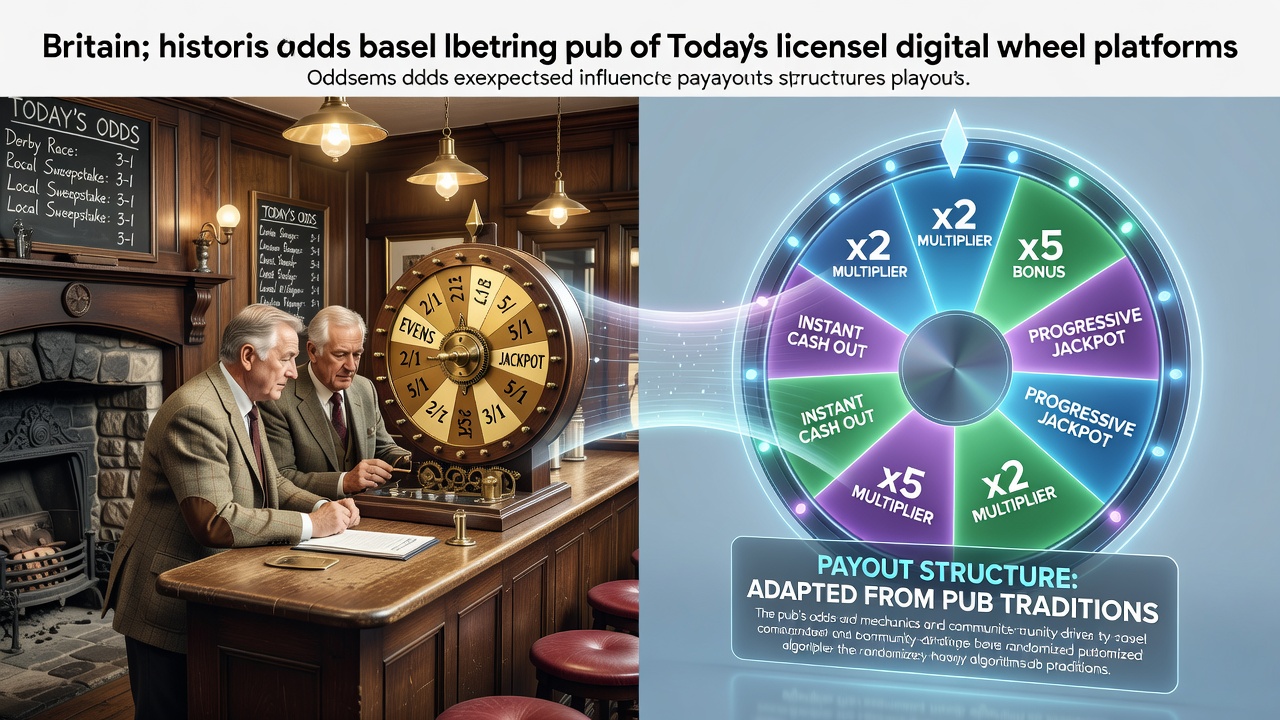
British pubs long served as hubs for informal betting on spinning wheels and similar chance devices, where operators set payout ratios based on local customs and the need to cover overhead while attracting repeat custom. Those practices established payout frameworks that carried forward into licensed digital wheel platforms, where return-to-player percentages and prize structures echo the mechanical precedents.
Origins of Wheel Betting in Pub Culture
Pub landlords introduced spinning wheels during the early twentieth century as simple entertainment that doubled as revenue tools, with bets placed on numbers or colors and winners paid at fixed multiples such as 10-to-1 or 20-to-1 depending on the wheel's segment count. Records from regional licensing authorities show these wheels operated alongside fruit machines and card games, creating a shared expectation among patrons that certain odds would remain consistent across venues. Observers note that the same payout logic later informed the design of early electronic terminals installed in pubs during the 1980s and 1990s, where digital representations of wheels retained the original ratios to maintain player familiarity.
Transition From Mechanical to Digital Formats
Mechanical wheels required physical maintenance and manual result verification, yet the underlying mathematics of segment distribution and prize allocation remained stable because operators adjusted house edges through segment size rather than changing advertised payouts. When software developers began porting these games to online platforms, they preserved the established ratios while adding random-number generators certified by independent testing bodies. Research indicates that many current digital wheel titles still display payout tables directly traceable to pub-era charts, with minor adjustments only for regulatory compliance across different jurisdictions.
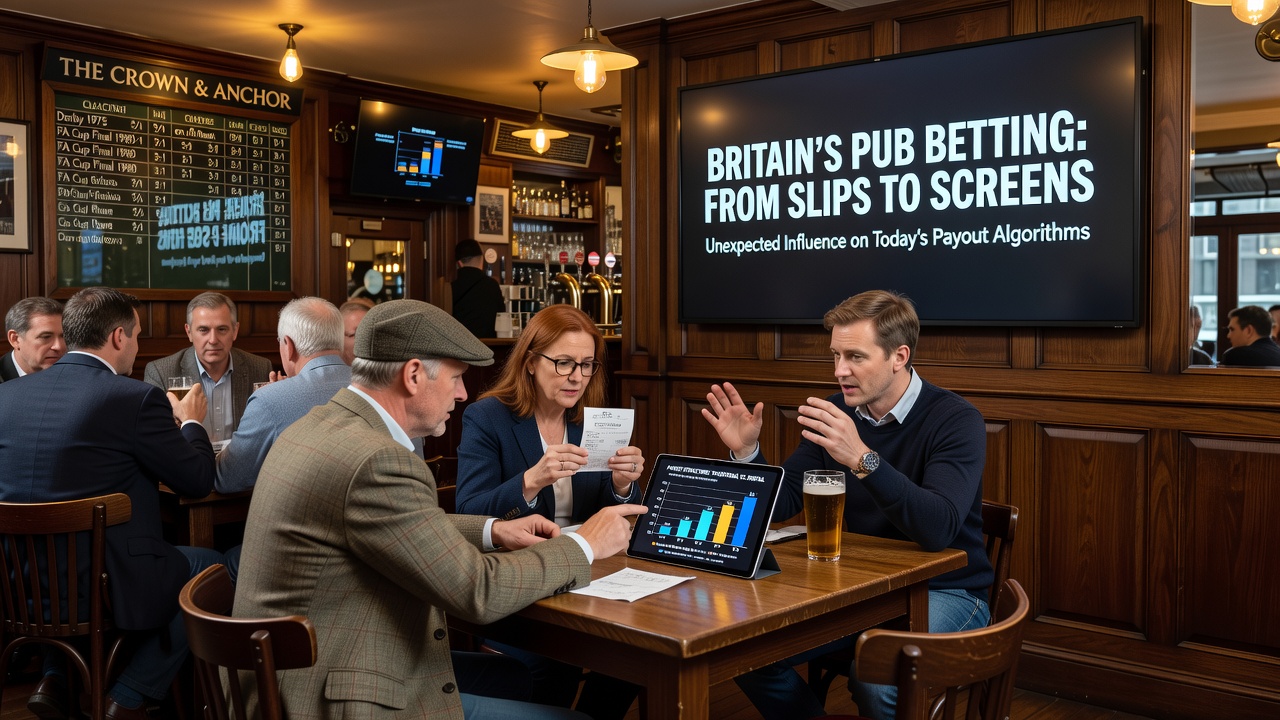
Industry reports from the European Gaming and Betting Association highlight how early digital adaptations copied pub prize ladders to ease player transition, while later versions introduced progressive jackpots layered on top of the base structure. The result is a hybrid model in which core payouts stay anchored to historical pub norms even as bonus features evolve.
Impact on Contemporary Licensed Platforms
Licensed digital wheel platforms in multiple regions now operate under payout structures that allocate between 94 and 98 percent of wagers back to players over time, a range that aligns closely with the long-term returns observed in pub machines during the 1970s. Data from the Nevada Gaming Control Board demonstrates comparable return-to-player bands in wheel-based games across jurisdictions, confirming the persistence of these legacy ratios. Developers achieve regulatory approval by documenting that segment probabilities and prize multiples match documented pub precedents, then verify outcomes through certified random-number algorithms. This continuity explains why many online wheel titles list identical 35-to-1 top prizes for single-number bets, a convention that originated in British pub wheels long before electronic versions appeared.
Regulatory and Technical Adaptations Since 2025
By October 2026 several licensing authorities outside the United Kingdom had updated testing protocols to require explicit mapping between historical payout tables and current digital implementations, ensuring no deviation from established ratios without documented justification. Academic studies published in the Journal of Gambling Studies examined server logs from licensed platforms and found that wheels configured with pub-derived segment counts produced return percentages within 0.3 percent of their mechanical counterparts. Those findings prompted some operators to publish side-by-side comparisons of traditional and digital payout tables as part of player-information pages.
Conclusion
Pub-based betting traditions supplied the foundational payout mathematics that digital wheel platforms continue to employ, with segment distributions, prize multiples, and overall return ranges preserved through successive technological shifts. Regulatory testing now formalizes those connections by demanding documented lineage between historical and current structures, while independent laboratories verify that random outcomes respect the original ratios. The result is a direct line from pub wheels of the last century to the certified digital platforms operating today.