Shifting Dynamics of Sector-Based Probability Mapping in Multiplayer Digital Wheel Interfaces
Cameron Werner · Nov 3, 2026
Shifting Dynamics of Sector-Based Probability Mapping in Multiplayer Digital Wheel Interfaces
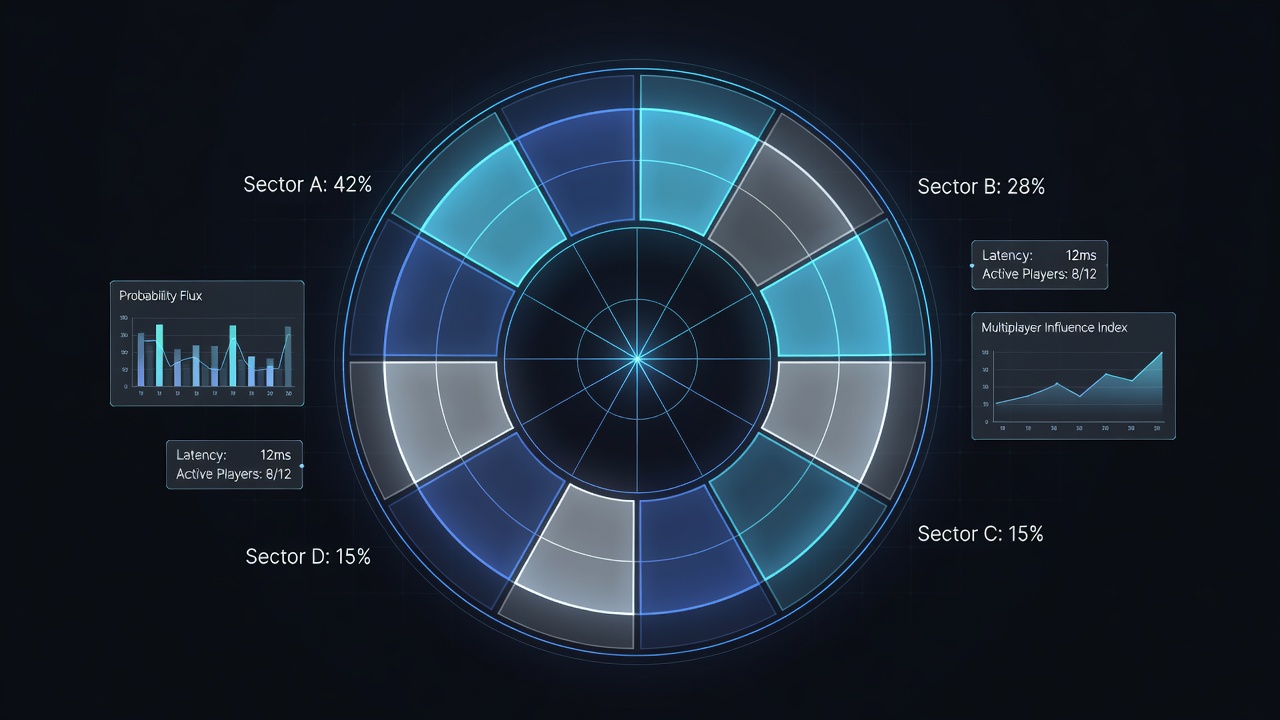
Multiplayer digital wheel interfaces divide their surfaces into distinct sectors where probability values get assigned and recalculated based on simultaneous player inputs, and this process creates measurable shifts in how outcomes distribute across shared platforms. Researchers tracking these systems note that sector mapping relies on layered algorithms that respond to real-time betting clusters rather than isolated spins, which means individual sector probabilities can fluctuate while the aggregate distribution stays within certified parameters.
Core Mechanics of Sector Mapping
Sector-based probability mapping starts with the wheel's physical or virtual division into segments that each carry weighted likelihoods, and these weights update when multiple users place bets on overlapping areas because the interface aggregates those selections into a collective probability grid. Data from platform logs shows that sectors with higher concurrent activity receive adjusted mapping coefficients, and this adjustment occurs through predefined rules that prevent any single cluster from dominating the overall random sequence generation.
Technicians who maintain these interfaces explain that the mapping process incorporates player density as a variable, so a sector attracting twenty simultaneous bets might see its effective probability recalibrated against neighboring sectors that remain less active, and the recalibration happens within milliseconds to preserve fairness across the session.
Influence of Multiplayer Interactions
Multiplayer environments introduce feedback loops where one group's sector choices influence the visible probability overlays presented to others, and observers have recorded instances where concentrated betting in one quadrant prompts the system to redistribute visual and numerical indicators toward underutilized sectors. This redistribution does not alter the underlying random number output, yet it changes how participants perceive and respond to the mapped probabilities in subsequent rounds.
Industry reports compiled through 2025 and into November 2026 document that sessions with more than fifty concurrent users exhibit sector probability variance rates up to eighteen percent higher than solo play modes, and these variances resolve through compensatory mapping that balances the wheel's return-to-player metrics over extended play periods. Gaming associations in regions such as Nevada and Australia have published comparative studies confirming that these dynamics appear consistently across licensed platforms regardless of jurisdiction.
Algorithmic Adaptations and Data Patterns
Adaptive algorithms powering these interfaces track sector engagement histories and apply predictive layers that anticipate future clustering, which allows the mapping system to pre-adjust probability displays before actual bets accumulate. Figures released by research institutions show that such pre-adjustments reduce latency in multiplayer sessions by an average of thirty-two milliseconds per spin cycle.
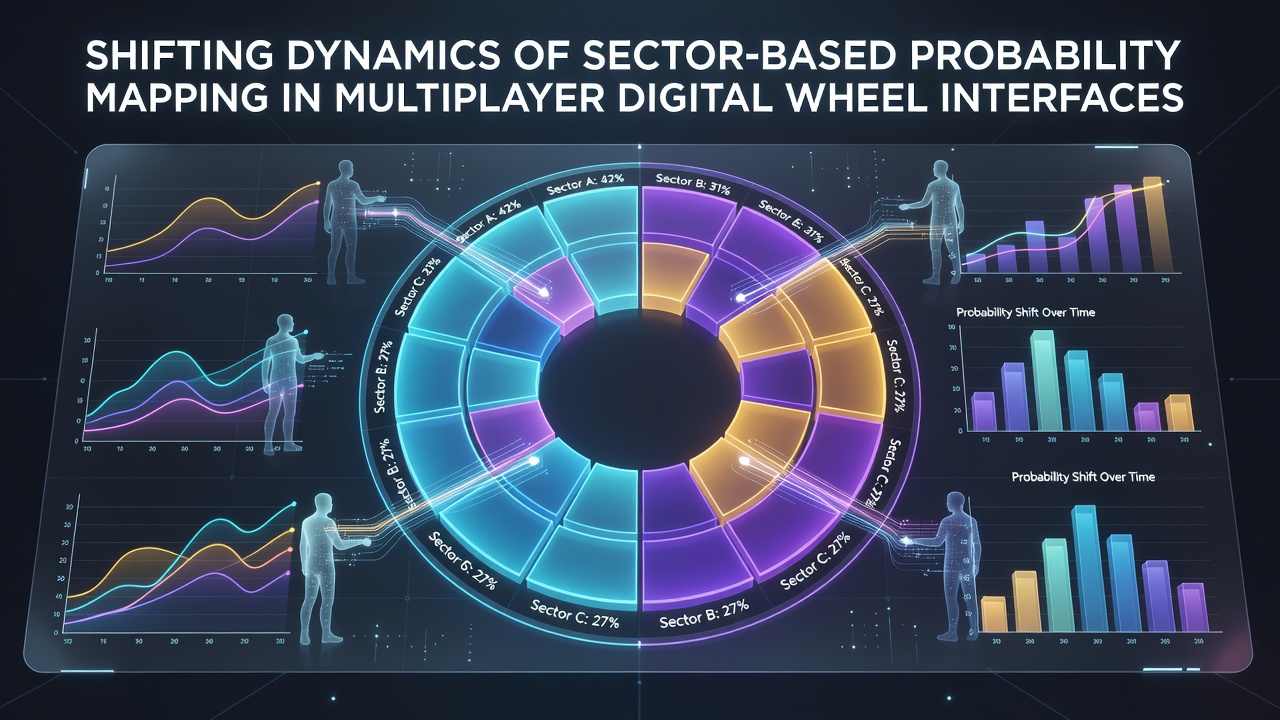
Analysts examining logs from large-scale deployments find that sector boundaries themselves can shift slightly during peak hours, and this boundary flexibility permits smoother transitions when probability mass moves from one area to another without interrupting the continuous wheel rotation animation. The approach maintains compliance with technical standards set by multiple regulatory bodies while supporting the visual fluidity expected in modern interfaces.
Observed Trends Through Late 2026
Platform telemetry collected through November 2026 reveals that multiplayer wheels using advanced sector mapping experience fewer instances of perceived bias reports compared with earlier static models, and this reduction correlates with the implementation of dynamic boundary and weight adjustments. Trade organizations tracking adoption rates note that over sixty percent of new wheel deployments now incorporate at least basic forms of sector-responsive mapping.
University-led examinations of these systems highlight that the interplay between player volume and sector probability produces predictable statistical signatures, and those signatures help auditors verify that random integrity remains intact even as visual mappings evolve during live sessions. External validation from sources such as the Nevada Gaming Control Board technical bulletins and papers from the Australian Gambling Research Centre supports these verification methods.
Conclusion
Sector-based probability mapping in multiplayer digital wheel interfaces continues to evolve through incremental refinements in algorithmic responsiveness and data integration, and the patterns observed up to late 2026 indicate sustained focus on maintaining certified randomness alongside enhanced multiplayer engagement features. Continued monitoring by independent laboratories and regulatory entities will determine how these dynamics scale with future platform expansions.