The Silent Mechanics of Chance: How Regulatory Testing Shapes Random Number Integrity in Digital Wheel Simulations
Eden Koch · Aug 19, 2026

The Silent Mechanics of Chance: How Regulatory Testing Shapes Random Number Integrity in Digital Wheel Simulations
Digital wheel simulations rely on random number generators that produce sequences mimicking physical randomness, and regulatory testing ensures those sequences meet statistical standards for fairness and unpredictability. Engineers design these systems using algorithms that pass through layers of verification before deployment in gaming platforms, while testing bodies examine output for uniformity, independence, and resistance to prediction. Data from multiple jurisdictions shows that certified RNGs reduce deviation rates below thresholds established by international standards organizations.
Core Components of RNG Systems in Wheel Simulations
Random number generators in digital wheels operate through pseudorandom algorithms seeded with external entropy sources such as hardware events or atmospheric noise, and these generators feed results directly into simulation engines that map numbers to wheel positions. Observers note that the mapping process must preserve the statistical properties of the raw output, otherwise bias appears in sector probabilities over extended runs. Researchers have documented cases where weak seeding led to detectable patterns, prompting stricter requirements on entropy collection methods across different regulatory regions.
Testing protocols begin with initial certification that evaluates millions of generated numbers against suites like Diehard or NIST statistical test batteries, and subsequent periodic audits check live operation for continued compliance. Laboratories accredited under ISO 17025 standards conduct these evaluations, and their reports confirm whether sequences pass tests for serial correlation, frequency distribution, and runs analysis. Figures from certification records indicate that fewer than five percent of submissions require retesting after initial failure in recent evaluation cycles.
Regulatory Frameworks Across Regions
Authorities in North America, Europe, and Asia Pacific maintain distinct yet overlapping requirements for RNG integrity, with each jurisdiction demanding evidence that digital wheels produce outcomes equivalent to physical counterparts. In the United States, state-level gaming control boards review technical documentation and demand live demonstrations, whereas Australian state regulators incorporate additional requirements for continuous monitoring during operation. Canadian provincial commissions apply similar scrutiny and often reference shared technical standards developed through industry associations.
European regulators outside the United Kingdom coordinate through bodies that emphasize cross-border recognition of test certificates, allowing operators to submit a single set of results to multiple markets. Data released by these agencies reveals that joint evaluation programs have reduced duplicate testing costs by approximately thirty percent since their introduction. Academic studies published in journals on computational statistics further support the effectiveness of combined test batteries in identifying subtle flaws that single-method approaches might miss.
Testing Methodologies and Statistical Validation
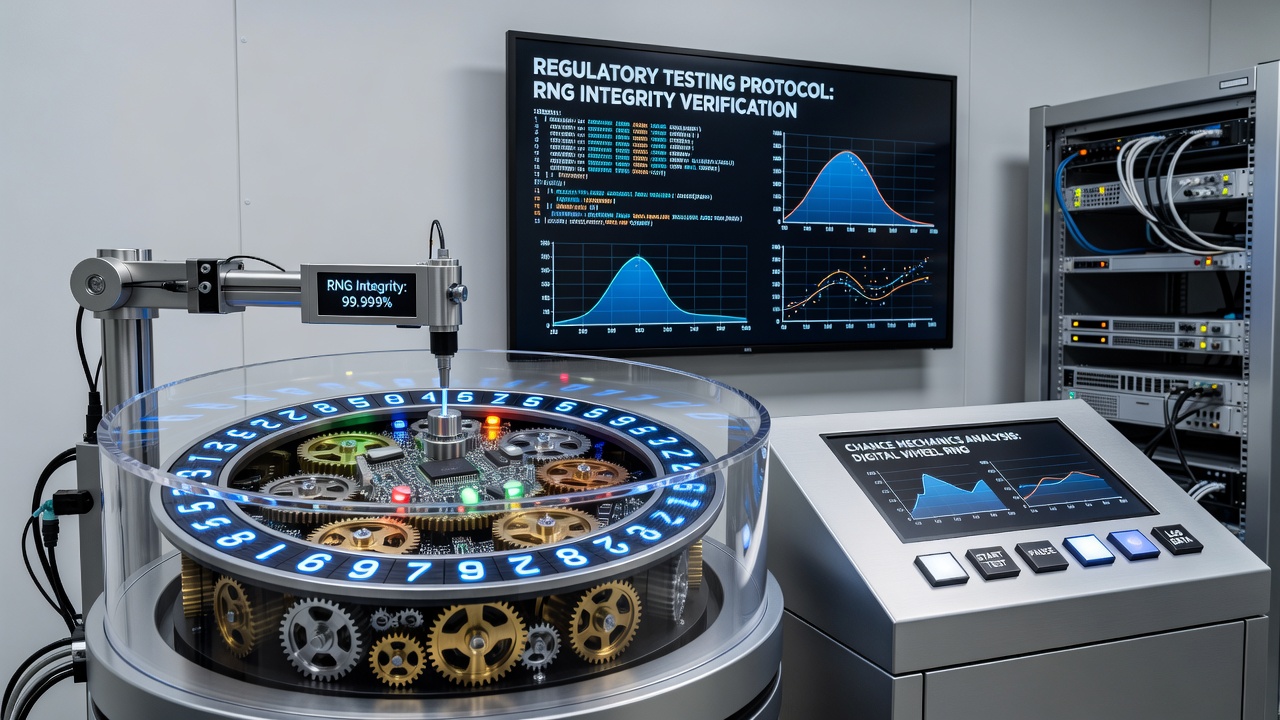
Validation begins with source code review that verifies algorithm implementation matches approved specifications, after which output streams undergo statistical examination using chi-square tests, serial correlation checks, and poker tests among others. Engineers adjust parameters only when results fall outside accepted confidence intervals, and regulators require documentation of any modifications. Those who conduct these evaluations report that most adjustments occur during the design phase rather than after certification, because early detection prevents costly delays.
Live audits supplement laboratory work by sampling real-time outputs from deployed systems, and discrepancies trigger immediate investigation followed by suspension of the affected game until resolution. Reports from testing facilities indicate that such interventions occur infrequently, yet each instance provides data that refines future testing criteria. One study released through a university research center demonstrated that continuous monitoring detects deviations up to forty-eight hours earlier than quarterly audits alone.
Integration of Standards and Technological Evolution
Standards bodies publish updated guidelines that incorporate advances in cryptanalysis and computing power, requiring RNG implementations to withstand attacks that were theoretical only a decade earlier. Operators must demonstrate that their systems remain secure against both traditional statistical tests and emerging side-channel analyses, and regulators review these demonstrations during renewal cycles. Evidence collected through collaborative industry forums shows that platforms adopting hardware security modules experience fewer certification setbacks compared with purely software-based alternatives.
As of August 2026, several jurisdictions have begun piloting requirements for quantum-resistant seeding methods, reflecting concerns that future computational advances could compromise current algorithms. These pilots involve limited deployments monitored by both regulators and academic partners, with preliminary results expected to influence broader policy within two years. Technical papers presented at international conferences on gaming technology describe early prototypes that maintain performance while meeting the new criteria.
Conclusion
Regulatory testing establishes the foundation for trust in digital wheel simulations by enforcing measurable standards on random number integrity, and the combination of code review, statistical validation, and ongoing audits maintains those standards across changing technological landscapes. Jurisdictions that coordinate their requirements reduce redundancy while preserving local oversight, and data from certification programs confirms that compliant systems deliver consistent fairness metrics. Continued evolution of testing methodologies ensures that digital wheels remain reliable representations of chance as computational capabilities advance.